Unlocked vs locked phones: what it means for used prices
Why unlocked used phones usually cost more, when a locked phone can still be a fair buy, and how to work out the real price before you pay.
By Peter | Published | Last updated | 4 min read
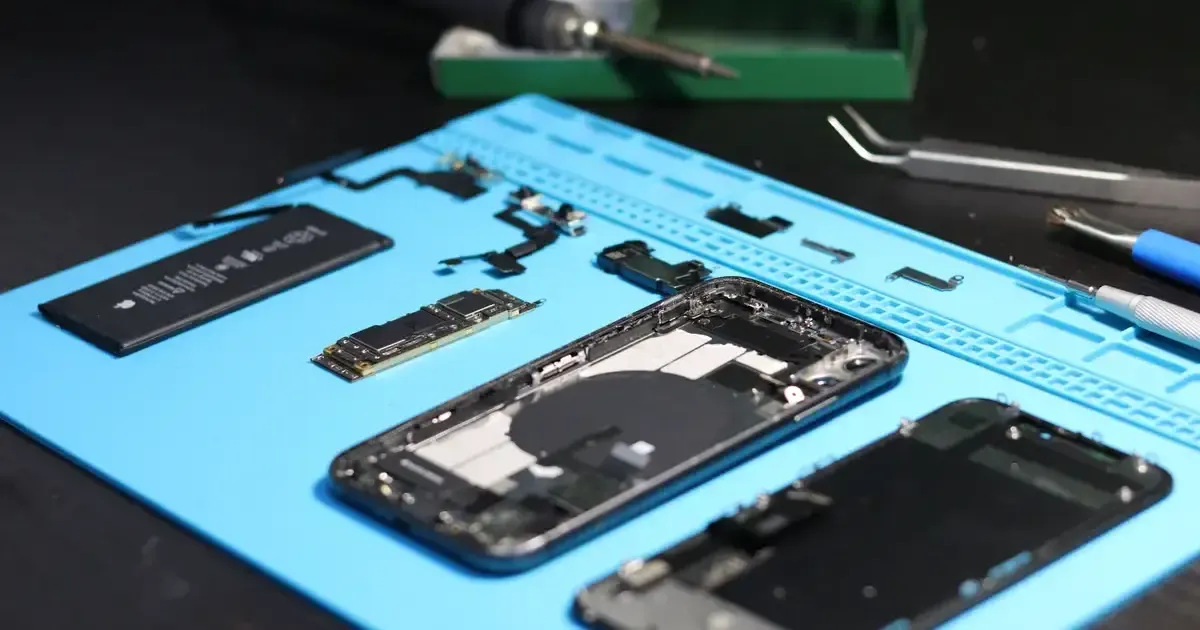
When you shop for a used phone, you see the same model listed at quite different prices. Condition and storage explain a lot of that. Whether the phone is locked or unlocked explains more than most people think. Here is how to think about it, without made up numbers, so you can judge each listing yourself.
Why unlocked phones usually cost more
An unlocked phone accepts SIM cards from other carriers. That means:
- More buyers can use it. Anyone on any compatible carrier can put their SIM in it.
- It is easier to resell later. The next buyer has the same freedom.
- It travels well. You can use a local SIM or eSIM abroad.
- There is less to worry about. An unlocked phone is usually paid off, because carriers rarely unlock phones with a balance.
All of that makes it worth more to more people, so sellers ask more for it.
Why locked phones usually cost less
A locked phone only works with the carrier it is locked to. That limits the market:
- Only customers of that carrier can use it right away.
- Everyone else has to get it unlocked first, which takes time and sometimes money.
- A locked phone may still be on a payment plan. See how to check if a used phone is financed.
So a seller usually has to price a locked phone lower to find a buyer.
When a locked phone can be a fair buy
A lower price is not automatically a bad deal. A locked phone can make sense when:
- You already use that carrier and plan to stay. The lock does not affect you.
- The phone is eligible for an unlock and the seller can request it, or you can.
- The total cost works out. The price of the phone plus the cost and time of unlocking is still less than a similar unlocked phone.
How to work out the real price
Before you compare two listings, put them on the same footing:
- Check the IMEI of each phone with a free IMEI check. Confirm the model, the carrier and the lock status. A paid full report adds blacklist status.
- Ask about the unlock. Can the seller request it from the carrier? Is the phone paid off? If not, assume you will need another route.
- Find the unlock cost for that phone and carrier. If the carrier will unlock it for free, the cost may only be time. If not, check a paid unlock price. Our pricing page shows live prices once selling opens, and the price at checkout is always shown before you pay.
- Add the cost of waiting. If you need the phone for a trip next week, a locked phone may not be ready in time.
- Compare the totals, not the sticker prices.
Red flags that no discount fixes
Some phones are cheap for a reason, and no price makes them worth it:
- Reported lost or stolen. Do not buy it. It should not be unlocked, and we refuse those orders.
- Signed in to someone else’s account. If the phone asks for another person’s Apple ID or Google login, walk away.
- Model or storage does not match the listing. Something has been changed or misdescribed.
- The seller will not let you test it. You cannot check the lock status or the hardware.
Our used phone checklist covers the hardware checks too: screen, buttons, cameras, charging and battery.
A note on “factory unlocked”
Some phones are sold unlocked from new by the maker or a retailer. Others start locked and are unlocked later by the carrier. For a buyer, both work the same way once the unlock is done. The important thing is that the phone accepts your SIM. Test it.
Should you pay more for unlocked?
Usually, yes, if:
- You might switch carrier in the next year or two.
- You travel and want local SIMs or travel eSIMs.
- You want an easy resale later.
A locked phone at a lower price can be the smarter choice if you stay with one carrier and the numbers add up.
Summary
Unlocked phones cost more because more people can use them. Locked phones can be good value, but only after you check the IMEI, confirm whether an unlock is possible, and add its cost and time. Compare totals, test with your own SIM, and walk away from any phone with a red flag.
Questions people ask
Why are locked used phones cheaper?
A locked phone only works with one carrier until it is unlocked, so fewer buyers can use it. Sellers usually have to price it lower.
Is a locked phone a bad buy?
Not always. If you already use that carrier, or the phone is eligible for an unlock, it can be a fair deal. Check the IMEI first and price in the cost and time of unlocking.
How do I know if a listing really is unlocked?
Run an IMEI check and test the phone with a SIM from a different carrier before you pay.
Related guides
Buying used phones
How to check if a used phone is financed
A phone that is still being paid off can cause trouble for the next owner. Here is how to spot it before you buy, and what to ask the seller.
| 4 min read
Buying used phones
How to read your phone's IMEI report
What each part of an IMEI report usually means, which results are a warning sign, and what to do next.
| 4 min read
Buying used phones
Buying a used phone: a checklist before you pay
A practical checklist for buying a used phone: IMEI, lock status, accounts, condition and payment, so you do not end up with a phone that cannot be used.
| 3 min read